
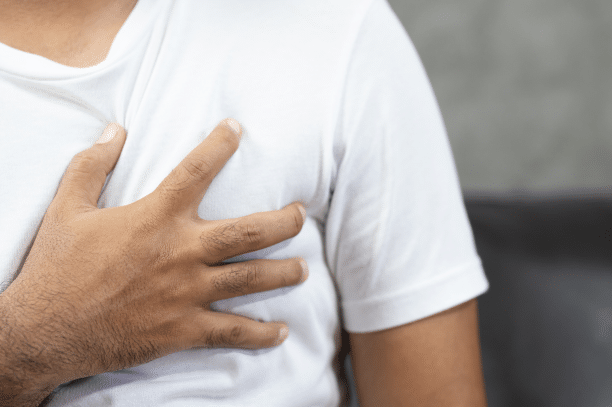
Chest discomfort, shortness of breath, sweating, and a racing heart are symptoms that can feel alarming no matter what is causing them. For many people, the immediate fear is a heart attack. For others, especially those with a history of anxiety or panic episodes, the concern may be an anxiety attack. The challenge is that these two conditions can feel surprisingly similar in the moment, which makes it difficult to tell them apart without medical context.
While both heart attacks and anxiety attacks can produce intense physical symptoms, they originate from very different processes in the body. A heart attack is a medical emergency caused by a blockage in blood flow to the heart muscle. An anxiety or panic attack, on the other hand, is a sudden surge of the body’s stress response system, often without any physical obstruction in the heart or blood vessels.
Understanding the differences matters. Acting quickly during a heart attack can save heart muscle and reduce long-term damage. Recognizing a panic attack can help reduce fear and prevent unnecessary emergency visits. The difficulty is that symptom overlap is common enough that even experienced clinicians evaluate these situations carefully before reaching a conclusion.
At Advanced Cardiovascular Specialists, chest pain and related symptoms are among the most frequent reasons patients seek evaluation. While many cases turn out not to be heart-related, every episode is taken seriously because symptoms alone cannot always reliably distinguish between cardiac and non-cardiac causes.
Why Heart Attacks and Anxiety Attacks Feel Similar
The similarity between heart attack and anxiety attack symptoms comes down to how the body responds to stress and danger. Both conditions activate the autonomic nervous system, which controls involuntary functions like heart rate, breathing, and blood pressure.
When the body perceives a threat, whether physical or psychological, it releases stress hormones like adrenaline. This can lead to:
- Increased heart rate
- Chest tightness
- Sweating
- Shortness of breath
- Trembling or shaking
- A sense of impending doom
These are the same types of symptoms that can occur during a heart attack, which is why confusion is so common.
The key difference is what is driving the response. In a heart attack, the symptoms result from reduced blood flow to the heart muscle. In an anxiety attack, the symptoms are caused by an overactivation of the stress response without a blockage or structural heart issue.
According to the American Heart Association, symptoms of heart attacks in both men and women can vary widely and do not always present as severe chest pain alone, which adds another layer of complexity when trying to distinguish between the two.
Because of this overlap, it is never safe to assume that symptoms are “just anxiety” without proper evaluation, especially if they are new, severe, or different from previous episodes.
How Heart Attack Symptoms Typically Present
A heart attack, also called a myocardial infarction, occurs when blood flow to part of the heart muscle becomes blocked. Without oxygen-rich blood, the affected heart tissue begins to be damaged. Because of this, symptoms tend to follow a pattern related to reduced cardiac blood flow rather than a generalized stress response.
The most common symptom is chest discomfort, which may feel like pressure, squeezing, fullness, or pain in the center or left side of the chest. This discomfort often lasts more than a few minutes or comes and goes in waves rather than resolving quickly.
Other symptoms may include:
- Pain or discomfort spreading to the arms, neck, jaw, or back
- Shortness of breath, with or without chest pain
- Cold sweat or clamminess
- Nausea or vomiting
- Unusual fatigue, especially in women
- Lightheadedness or dizziness
The National Heart, Lung, and Blood Institute notes that heart attack symptoms can vary significantly between individuals, and not all patients experience severe or obvious chest pain. In some cases, especially in older adults, women, and people with diabetes, symptoms may be more subtle.
One important characteristic of heart attack symptoms is persistence. They typically do not resolve within a few minutes and are not easily relieved by changes in position, breathing, or calming techniques.
How Anxiety or Panic Attacks Typically Present
Anxiety attacks and panic attacks are caused by a sudden activation of the body’s fight-or-flight response. This response is designed to prepare the body for perceived danger, even when no physical threat is present.
Symptoms can come on abruptly and often peak within 10 to 20 minutes. While the experience can feel overwhelming, panic attacks are not caused by blocked arteries or damage to the heart muscle.
Common symptoms include:
- Rapid or pounding heartbeat
- Chest tightness or sharp chest pain
- Shortness of breath or hyperventilation
- Sweating or chills
- Trembling or shaking
- Feeling detached or unreal
- Fear of losing control or dying
Unlike heart attack symptoms, panic attack symptoms often improve once the acute stress response begins to settle. Breathing exercises, grounding techniques, or simply time passing can help reduce the intensity.
According to the Mayo Clinic, panic attacks can mimic many symptoms of heart disease, which is why first-time episodes are often evaluated in emergency settings to rule out cardiac causes before a diagnosis of anxiety is made.
Key Differences in Symptom Patterns
While there is significant overlap, there are patterns that can help distinguish between heart attacks and anxiety attacks, especially when symptoms are evaluated in context rather than isolation.
Heart attack symptoms are more likely to:
- Develop gradually or build in intensity
- Persist for more than several minutes
- Occur during physical exertion or stress
- Include radiating pain to the arm, jaw, or back
- Not improve with relaxation or breathing techniques
Anxiety or panic symptoms are more likely to:
- Begin suddenly and peak quickly
- Occur at rest or during emotional stress
- Include intense fear or sense of doom
- Improve as the panic episode resolves
- Be associated with prior history of anxiety or panic attacks
Despite these general patterns, there is no single symptom that can reliably distinguish the two in every case. This is why medical evaluation is essential when symptoms are new, severe, or unclear.
Why Medical Evaluation Is Always Important
Because heart attack symptoms can be variable and sometimes subtle, it is never safe to assume chest pain or related symptoms are caused by anxiety alone. The safest approach is to rule out cardiac causes first, especially if symptoms are new or different from what a person has experienced before.
Evaluation typically includes an electrocardiogram (ECG), blood tests to check for heart damage, and sometimes imaging or stress testing depending on the situation. These tools help determine whether the heart is receiving adequate blood flow and whether any damage has occurred.
At Advanced Cardiovascular Specialists, symptom evaluation focuses on quickly identifying whether a patient is experiencing a cardiac event or a non-cardiac condition such as anxiety, musculoskeletal pain, or gastrointestinal causes. Even when symptoms are ultimately not heart-related, the evaluation provides clarity and helps guide appropriate next steps.
Understanding the difference between these conditions is helpful, but it should never replace medical assessment when symptoms are significant or concerning.
What To Do When Symptoms Start
When symptoms like chest pain, shortness of breath, or a racing heart begin suddenly, the most important step is to focus on safety rather than self-diagnosis. Because heart attack and anxiety attack symptoms overlap, it is not always possible to tell the difference based on how you feel in the moment.
If symptoms are severe, new, or different from anything you have experienced before, seeking immediate medical attention is the safest choice. Even if the cause turns out to be anxiety, ruling out a cardiac issue is an important step in protecting long-term heart health.
For less severe or recurring episodes, tracking symptoms can help provide useful context for a healthcare provider. Noting when symptoms occur, how long they last, what you were doing at the time, and what helps relieve them can make evaluation more accurate.
When It May Be More Likely Anxiety
While only a medical evaluation can confirm the cause, certain patterns may point more toward anxiety or panic-related episodes. These include symptoms that begin suddenly during periods of stress, reach peak intensity quickly, and improve within a short period of time, especially when breathing slows or reassurance is provided.
Many people with panic attacks describe a strong sense of fear or impending doom that feels overwhelming in the moment but resolves as the body’s stress response calms. Symptoms may also occur at rest, without physical exertion, and may follow periods of emotional stress or worry.
Even when these patterns are present, it is still important not to assume anxiety is the cause without proper evaluation, especially if symptoms are new.
When It May Be More Likely Heart-Related
Heart-related symptoms are more concerning when they are persistent, worsen with physical activity, or include radiating pain to the arm, jaw, neck, or back. Chest pressure that does not go away, shortness of breath with minimal exertion, or symptoms accompanied by nausea, sweating, or fainting should always be evaluated urgently.
According to the American Heart Association, heart attack symptoms can vary widely and may not always match the “classic” description of severe chest pain. This variability is one reason medical evaluation is essential whenever there is uncertainty.
Getting Clarity Through Evaluation
Because symptoms of heart attack and anxiety attack overlap so closely, diagnostic testing plays a key role in determining the cause. An electrocardiogram can assess heart rhythm and electrical activity, while blood tests can detect signs of heart muscle damage. Additional testing may be used to evaluate blood flow, heart structure, or exercise response depending on symptoms.
At Advanced Cardiovascular Specialists, the goal is not only to rule out serious cardiac conditions quickly, but also to help patients understand what is actually causing their symptoms. For many, this clarity alone significantly reduces fear and helps them move forward with appropriate care.
Final Thoughts
Heart attack and anxiety attack symptoms can feel nearly identical in the moment, which makes them difficult to distinguish without medical evaluation. While anxiety attacks are caused by the body’s stress response and are not life-threatening, heart attacks involve reduced blood flow to the heart and require immediate medical attention.
Because there is no single symptom that reliably separates the two, the safest approach is to treat new, severe, or unexplained symptoms as potentially cardiac until proven otherwise. Prompt evaluation ensures that serious conditions are not missed and provides reassurance when symptoms are not heart-related.
If you are experiencing chest discomfort, shortness of breath, or episodes of a racing heart and are unsure of the cause, Advanced Cardiovascular Specialists can provide a comprehensive evaluation to determine what is happening and guide next steps in care. ialists can help determine the cause and guide appropriate next steps for diagnosis and care.
 What Causes Heart Palpitations at Night?