
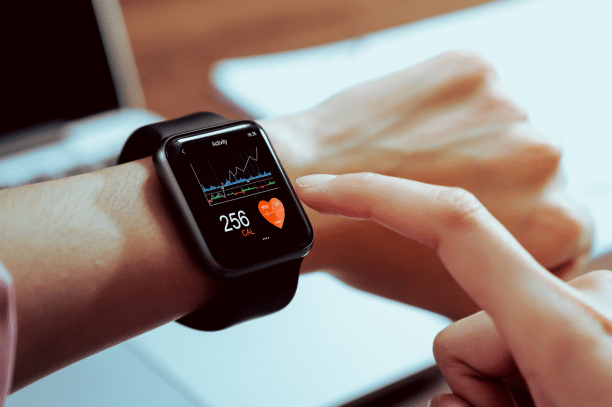
A smartwatch alert suggesting atrial fibrillation can be alarming, especially if you feel perfectly fine. You might wonder if the device has detected a serious heart problem or if the notification is a false alarm. The answer depends on what your watch recorded and whether further testing confirms an irregular heart rhythm.
A wearable device can provide useful information about your heart, but its notification is not the same as a medical diagnosis. At Advanced Cardiovascular Specialists, discussing an AFib alert with a cardiovascular provider is a practical first step toward understanding what your device detected and whether additional testing is needed.
What Does an AFib Alert Actually Mean?
Atrial fibrillation, commonly called AFib, is an irregular heart rhythm that occurs when the heart’s upper chambers beat chaotically rather than following their normal electrical pattern. This can cause the heart to beat irregularly and sometimes rapidly.
Some people with AFib notice a racing or fluttering heartbeat, fatigue, dizziness, or shortness of breath. Others have no obvious symptoms and may not realize anything is wrong until the rhythm is detected during an examination or through a wearable device.
Depending on the model, a smartwatch may use an optical sensor to identify an irregular pulse or an electrocardiogram (EKG) feature to record electrical activity. An alert means the device detected a pattern that may be consistent with AFib. It does not establish that you have the condition.
Movement, poor sensor contact, and other irregular heart rhythms can affect readings. A notification may warrant further evaluation even if it turns out not to be AFib.
The American Heart Association explains that wearable technology can help identify possible AFib, but a healthcare professional must evaluate the findings and confirm the diagnosis through appropriate testing.
What Should You Do After a Smartwatch AFib Notification?
Start by saving the alert and any available EKG recording. Note when it occurred, how long it lasted, and whether you experienced symptoms. If your watch provides a downloadable report, keep a copy for your appointment.
Next, contact your healthcare provider to discuss the result. If you already receive cardiovascular care, share the information with your care team. At Advanced Cardiovascular Specialists, your provider can consider the alert alongside your symptoms, medical history, medications, and cardiovascular risk factors to determine the appropriate next step.
Depending on the circumstances, your evaluation may include:
- An EKG to examine your heart’s electrical activity.
- A portable heart monitor to record your rhythm over a longer period.
- Blood tests to investigate possible contributing conditions.
- Additional cardiac testing based on your symptoms and medical history.
AFib can come and go, so a standard EKG may not capture an episode that has already ended. A wearable monitor or extended rhythm monitoring may help identify intermittent episodes when clinically appropriate.
Do not assume you need treatment solely because your watch generated an alert. Equally, do not dismiss a repeated notification because you feel normal. Some people experience AFib without noticeable symptoms.
Why Does Confirming AFib Matter?
AFib can increase the risk of blood clots and stroke. When the heart’s upper chambers do not contract effectively, blood can pool and potentially form clots. A clot that travels to the brain can cause a stroke.
Confirming the rhythm allows your provider to assess your individual risk and decide whether treatment is necessary. Depending on the findings, management may include medication to control heart rate or rhythm, treatment of contributing conditions, or medication to reduce stroke risk.
Blood thinners are not necessary for every person with an AFib alert. The decision depends on factors such as age, medical history, and other stroke risk factors. Do not start aspirin, anticoagulants, or heart medication on your own.
Your provider may also review blood pressure, sleep apnea, alcohol use, weight, and other factors that can contribute to AFib or affect its management.
When Is an AFib Alert an Emergency?
An isolated smartwatch notification without symptoms generally calls for medical follow-up rather than an automatic trip to the emergency department. However, serious symptoms should never be ignored.
Call 911 if you experience chest pain, severe shortness of breath, fainting, or signs of a stroke, including sudden facial drooping, weakness on one side of the body, or difficulty speaking. Stroke symptoms require emergency care even if they disappear.
Get Answers About Your Heart Rhythm
A smartwatch can be a useful source of information, but it cannot replace a clinical assessment. Confirming whether you have AFib helps your provider determine whether treatment, additional testing, or ongoing monitoring is needed.
If your watch has flagged a possible irregular rhythm, contact Advanced Cardiovascular Specialists to discuss your results and next steps. Bring any saved recordings or alerts to your appointment so your care team can review what your device detected.
 Why Do My Toes Turn Blue or Purple?